Deciding between a fixed and a mobile RFID tracking system is one of the most important technological decisions for any business managing assets. Both RFID tracking systems offer clear advantages depending on the scale of operations, the type of equipment being managed and how often employees need to perform inventory management tasks. In industries like manufacturing, logistics, healthcare and education, the choice of tracking system directly affects productivity, cost and overall management efficiency.
This article explores the key components of mobile solutions, how they differ from fixed options and the many benefits that modern RFID readers and software, like Grey Trunk RFID, provide for tracking assets in real-world environments.
Components of a Mobile RFID Tracking System

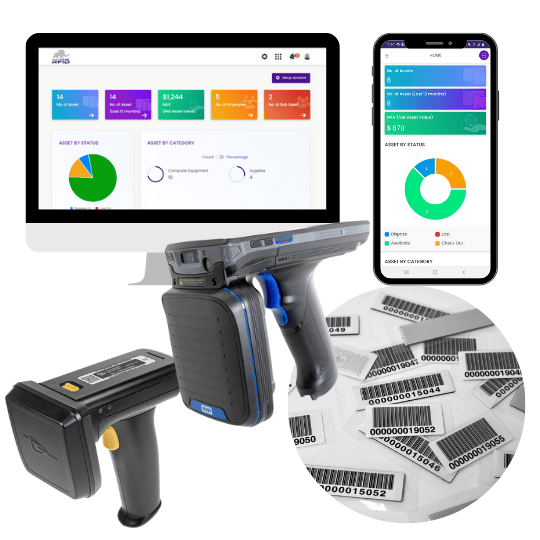
A mobile solution is made up of three main components that work together seamlessly:
The success of an RFID asset tracking system depends on these parts functioning as one system. Without reliable hardware, accurate tags and powerful software, the tracking process may suffer from gaps in data collection or reduced accuracy. That’s why many vendors supply fully integrated solutions that bring together RFID tags, readers and cloud-based software for faster deployment.
RFID Asset Tracking Software
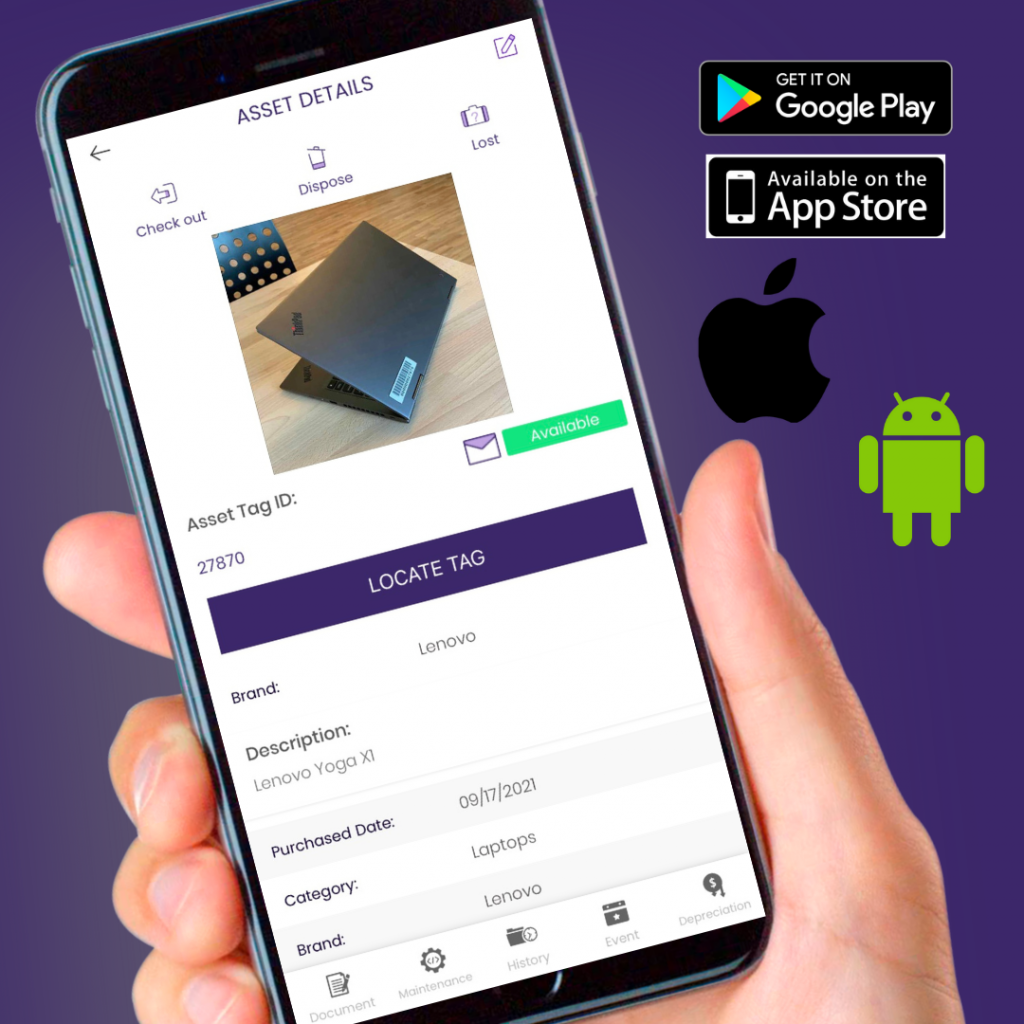
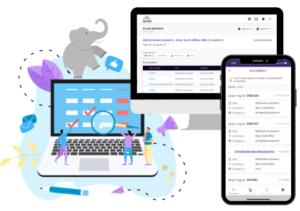
The software is where all the data collected from RFID readers becomes meaningful. It serves as the central hub where teams view and manage assets, monitor their location, and access real time updates. With built-in logging and database functionality, this layer of the system ensures that the information collected from the field is reliable, searchable and always available.
Cloud-based RFID asset tracking systems are especially valuable for mobile use. When employees use a handheld RFID reader in a warehouse or out in the field, the captured data is uploaded immediately, eliminating delays and improving visibility. Teams no longer have to rely on outdated spreadsheets or manual entries; instead, they can trust in accurate, automated logging.
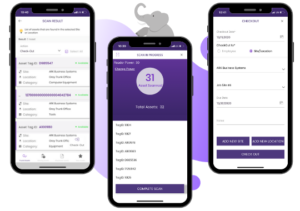
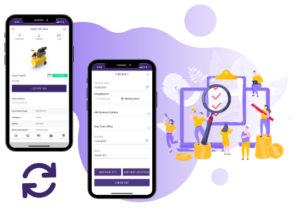
Modern RFID asset tracking systems often include mobile apps available on iOS App Store or Google Play Store. This makes deployment easier across a range of devices. This accessibility improves team collaboration and ensures that customers benefit from faster service and reduced errors in tracking assets.
Bluetooth Handheld RFID Reader
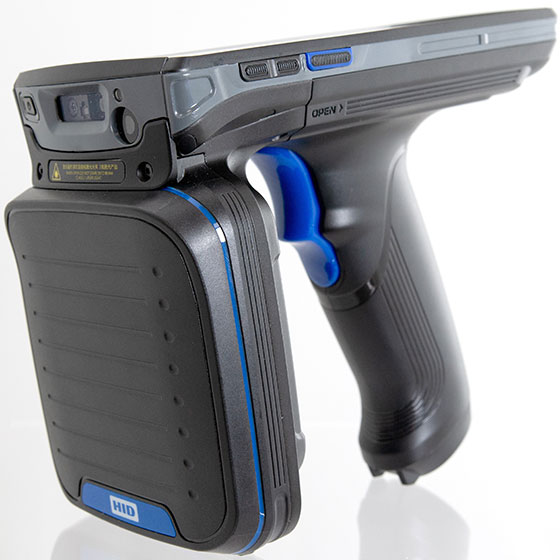
At the heart of the mobile approach is the handheld RFID reader. These portable devices use Bluetooth to connect to smartphones or tablets, running apps that enable direct tracking of tags in the field. Popular models like the Janam XR2 UHF RFID Reader and TSL 1128 are widely used across industries due to their durability, reliability and extended range.
Unlike barcode scanners, which require line-of-sight and can only scan barcodes one at a time, a handheld RFID reader can capture many tags simultaneously, even if they’re hidden inside boxes, under desks or stacked on shelves. This improves both speed and efficiency when conducting inventory management or checking stock rooms for missing items.
Using UHF RFID technology, the reader powers the passive RFID chip inside each tag and captures the returning signal. Depending on the environment, the range can vary from 7 to 30 feet. Selecting the right RFID tags and hardware for your system ensures optimal performance.
For organizations wanting to test a mobile tracking system before purchasing, some vendors offer rental programs that allow teams to try RFID readers and software at a lower cost. This reduces risk and demonstrates how mobile RFID tracking can transform operations.
RFID Tags
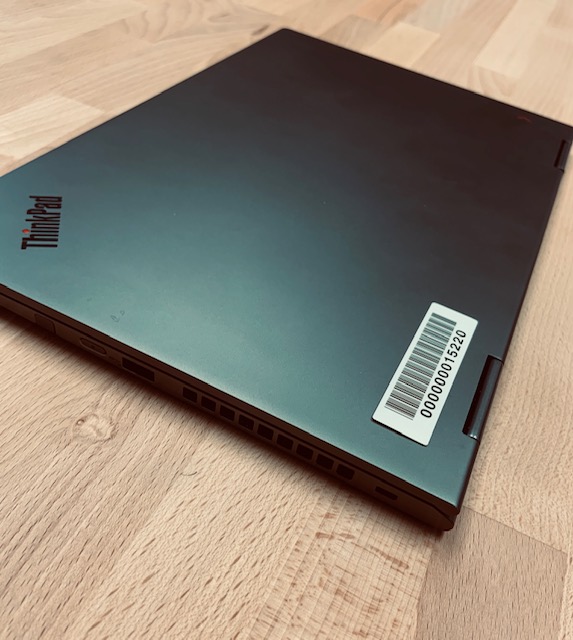
Every RFID tracking system relies on RFID tags. Although they may seem like the smallest part of the system, their role is critical. The choice of tag influences accuracy, range and overall reliability in tracking.
Key considerations include:
- Durability: A tag must withstand the environment, whether that’s a warehouse, a factory floor or outdoor use.
- Surface compatibility: Some tags are designed for metal, while others work best on plastic, glass or wood.
- Cost-effectiveness: Applying thousands of tags is an investment. Selecting the right RFID tag ensures fewer replacements and lower ongoing cost.
- Read range: Larger tags with optimized antennas provide extended range, ensuring reliable data capture.
When deploying RFID asset tracking systems, it’s common to use multiple tags across different types of assets to ensure complete visibility.
To learn more about RFID asset tags, take a look at this article “What is an RFID Asset Tag.”
Fixed vs. Mobile Tracking Systems
The primary difference between fixed RFID readers and mobile RFID readers is how they capture data:
- Fixed readers are installed in entryways, ceilings, or docks. As assets pass within range, the system automatically updates the database. This is ideal for high-volume logistics, automated manufacturing, and secure warehouse operations where speed and continuous monitoring are essential.
- Handheld RFID readers, however, provide flexibility. Employees carry them and trigger scans when needed. This is particularly useful for inventory checks, tracking equipment and monitoring stock rooms without requiring permanent infrastructure.
Think of it like retail security systems that use radio frequency identification to detect theft. A fixed reader works like a gate that constantly monitors tagged items, while a handheld RFID reader allows staff to walk through a building and selectively scan assets.
Many organizations deploy a combination of both. Fixed readers automate repetitive tasks, while mobile RFID readers add flexibility for manual checks, ultimately improving accuracy and productivity.
To get a better understanding of the entire RFID asset tracking system, be sure to check out The Anatomy of a RFID Mobile Asset Tracking System.
If you want to see Grey Trunk RFID software in action, feel free to schedule a 30 Minute live demo here.
Advantages of Mobile RFID Tracking
Mobile RFID tracking systems such as Grey Trunk RFID provide several compelling benefits:
- Save time during audits and inventory management by quickly scanning assets with a handheld RFID reader.
- Increase accuracy by reducing human error and eliminating reliance on manual barcodes or paper forms.
- Improve productivity in daily operations, especially in warehouses and field service.
- Offer cost-effective deployment with minimal permanent hardware compared to fixed RFID readers.
- Provide visibility across multiple locations with easy-to-use apps and cloud integration.
- Enhance management of equipment, tools and other critical assets.
By combining software, RFID readers and powerful RFID tags, companies can ensure reliable tracking of high-value assets, detect missing items, and optimize their processes.
Challenges and Considerations
While mobile RFID systems are powerful, they come with challenges:
- Environment: Metal surfaces, liquids and certain layouts can affect range and accuracy.
- Hardware cost: While more affordable than fixed setups, there’s still an upfront investment in RFID tags and RFID readers.
- Training: Staff must learn how to use readers and software effectively.
- Database management: Without careful organization, collected data may overwhelm teams.
Planning your deployment carefully, choosing the right tags and working with experienced providers ensures that your tracking system delivers maximum value.
Use Cases Across Industries
Mobile RFID tracking systems are used widely across sectors:
- Warehouses & Logistics: Track pallets, reduce missing items and improve inventory management with real-time data.
- Manufacturing: Monitor tools, reduce theft and ensure the right equipment is at the right station.
- Healthcare: Manage medical devices, ensure compliance and improve patient safety with fast tracking.
- Education & Offices: Keep track of IT equipment, prevent theft and improve management of shared tools. Check out the case study here for an example of Grey Trunk RFID’s use in DoD STARBASE.
Final Thoughts
A mobile RFID tracking system offers flexibility, efficiency and cost savings for any business that depends on accurate asset tracking. By leveraging RFID technology, modern readers, durable tags and cloud-based software, companies can streamline operations, increase productivity and deliver better solutions for both internal teams and customers.
Grey Trunk RFID provides the hardware, software and expertise to deliver a reliable, scalable solution. Schedule a live demo today and see how RFID asset tracking systems can transform your inventory management and operations with reliable, real-time data.